
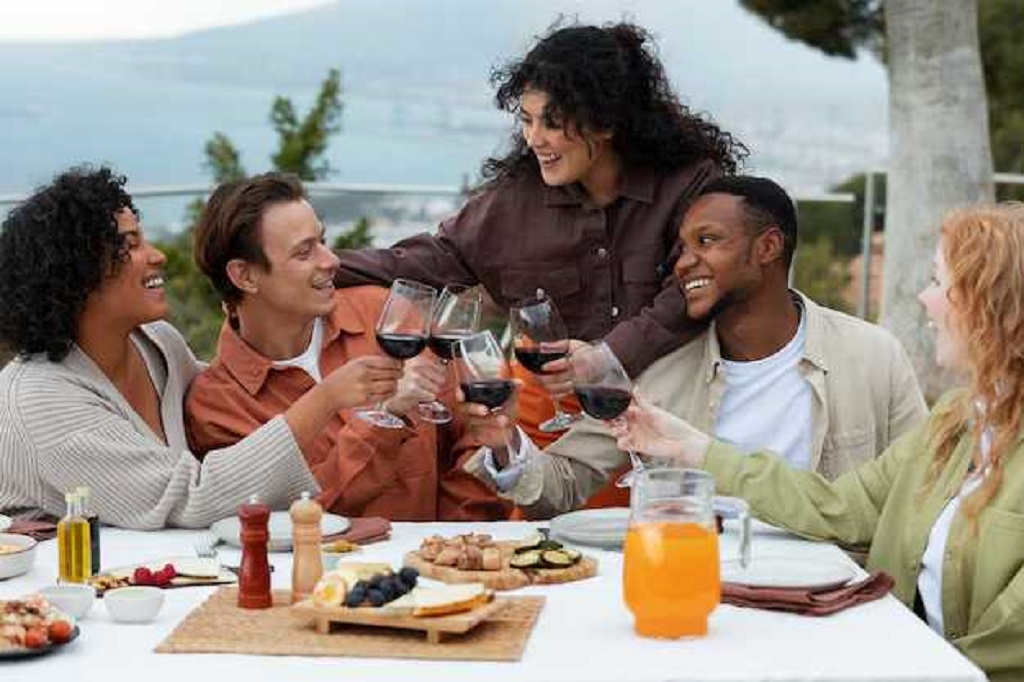
Let’s clear something up right away. Hosting a tasting night sounds way more intimidating than it really is. People imagine silence, serious faces, and someone saying “interesting tannins” while sniffing for 30 seconds. In reality ? It’s friends around a table, glasses clinking, someone spilling a bit, and a lot of “oh wow, I didn’t expect that”. And honestly, that’s the whole point.
I started doing tasting nights almost by accident. One evening, a friend showed up with two bottles, another brought cheese, and suddenly we were comparing, arguing, laughing. No rules, no pressure. Later, when I wanted to understand a bit more without killing the vibe, I browsed sites like https://gastrosophe.fr to get simple explanations. And that’s when it clicked : you don’t need expert knowledge to organize a great tasting. You need curiosity, a bit of structure, and the right attitude.
Decide the mood before the bottles
Before choosing anything, ask yourself one simple question : what kind of night do I want ?
Because a tasting can be very different depending on the vibe. Chill and funny ? Educational but relaxed ? Slightly competitive with blind guesses ?
Personally, I always aim for “interesting but easy”. People should feel comfortable saying “I don’t like it” without feeling stupid. If your guests feel judged, the night is already half ruined.
How many bottles ? Don’t be greedy
This is where most people overdo it. More bottles doesn’t mean more fun. Quite the opposite.
From experience, 3 to 5 bottles max is perfect for 4 to 6 people. Enough to compare, not enough to forget what you tasted first. After that, attention drops fast. And palates too.
If you hesitate, always choose fewer bottles. You can still open another one later if everyone’s still curious.
Choosing the bottles (without stressing out)
You don’t need rare wines. You don’t need expensive labels. You don’t even need “safe” choices.
What works really well :
- Same grape, different regions
- Same price range, different styles
- One theme (only whites, only reds, or even only sparkling)
A budget of around $10–$15 per bottle is totally fine. I’ve had great surprises at that price. And yes, a few disappointments too. But honestly, bad wine creates the best debates.
I tend to avoid very prestigious bottles for friend tastings. People become tense. Wine should open conversations, not shut them down.
Set the table, not a laboratory
You don’t need special glasses. Regular wine glasses work. Different shapes ? Who cares. The wine police won’t show up.
What actually matters :
- Water (seriously, lots of it)
- Bread or crackers to reset the palate
- Paper towels (someone will spill, always)
- A pen and paper, if people feel like writing notes
Spittoons are optional. Most people won’t use them. That’s fine. Just make sure no one plans to drive home.
How to guide the tasting without sounding fake
This part scares people. “What if they ask me questions ?”
Here’s the trick : you don’t explain, you ask.
Simple questions work best :
- “Do you like it or not ?”
- “Would you order this in a bar ?”
- “Does it feel light or heavy ?”
No need for technical words. If someone says “this tastes like holidays” or “this one feels weird”, that’s already perfect. Wine language should feel natural, not forced.
Blind tasting : optional, but always fun
If you want to spice things up, blind tasting is gold. Paper bags, no labels, no bias.
I’ve seen people swear they hated a wine… then love it once they didn’t know the price or origin. It’s humbling. And very funny.
Just don’t turn it into a competition unless your group likes that. For some people, guessing wrong feels awkward. Read the room.
Food : keep it simple, keep it neutral
Big mistake : serving complex food that completely kills the wine.
Stick to easy stuff :
- Cheese (nothing too strong)
- Charcuterie
- Nuts, olives, bread
You’re not hosting a dinner. You’re creating a backdrop for conversation. Food should support, not dominate.
The real secret of a successful tasting night
I’ll be honest : the wine itself is rarely the most important part.
The real success comes from the atmosphere. When people feel relaxed. When nobody pretends. When someone says “I have no idea what I’m tasting, but I like it”.
If that happens, you’ve nailed it.
So don’t overprepare. Don’t aim for perfection. Open the bottles, pour generously, ask questions, listen, laugh. That’s a tasting night worth remembering.
And tell me : would you rather taste five “perfect” wines alone, or three imperfect ones with great friends ?